Lung Screening Information
Lung Screening Information
Key points
- Australia’s National Lung Cancer Screening Program detects lung cancer early using low-dose CT scans, before symptoms appear.
- Eligible high-risk patients can access fast, low-radiation scans through GP referral at participating clinics like I-MED Radiology.
- Screening reduces lung cancer deaths and ensures clear follow-up if abnormalities are found.
I-MED Radiology offers low-dose CT lung cancer screening, a quick, non-invasive scan that looks for potential concerns before symptoms appear.
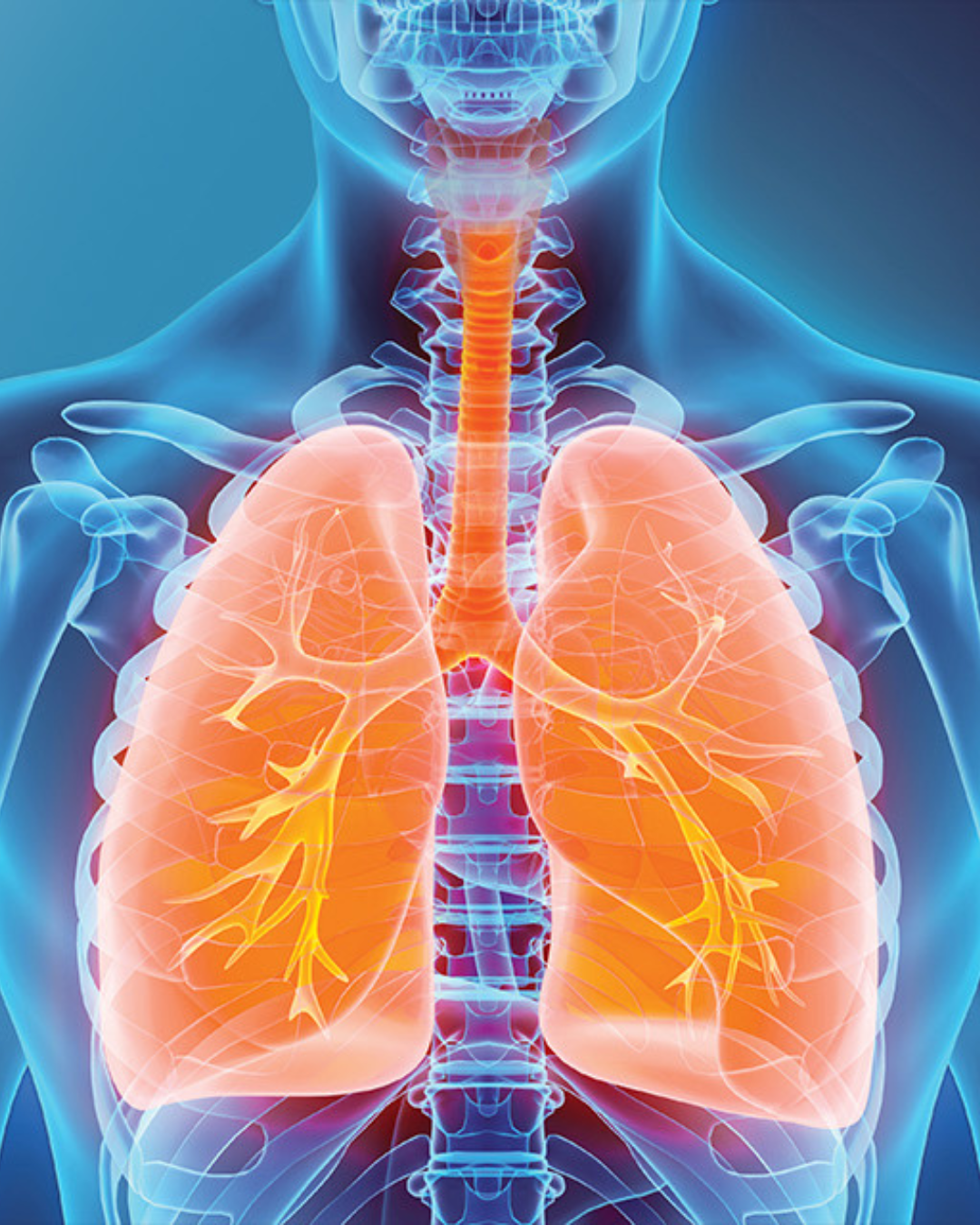
The scan produces detailed images of your lungs, helping specialists spot small changes that may not show up on a standard X-ray, so you can get clarity and peace of mind sooner.
What is the National Lung Cancer Screening Program (NLCSP)?
The NLCSP is a government-led program that offers regular low-dose CT (LDCT) scans to eligible Australians at higher risk of lung cancer. The aim is early detection before symptoms develop.
Who is eligible for lung cancer screening in Australia?
Eligibility is based on age and smoking history, along with clinical assessment. Your GP can confirm whether you meet the screening criteria and Medicare eligibility requirements.
How does a lung cancer screening work?
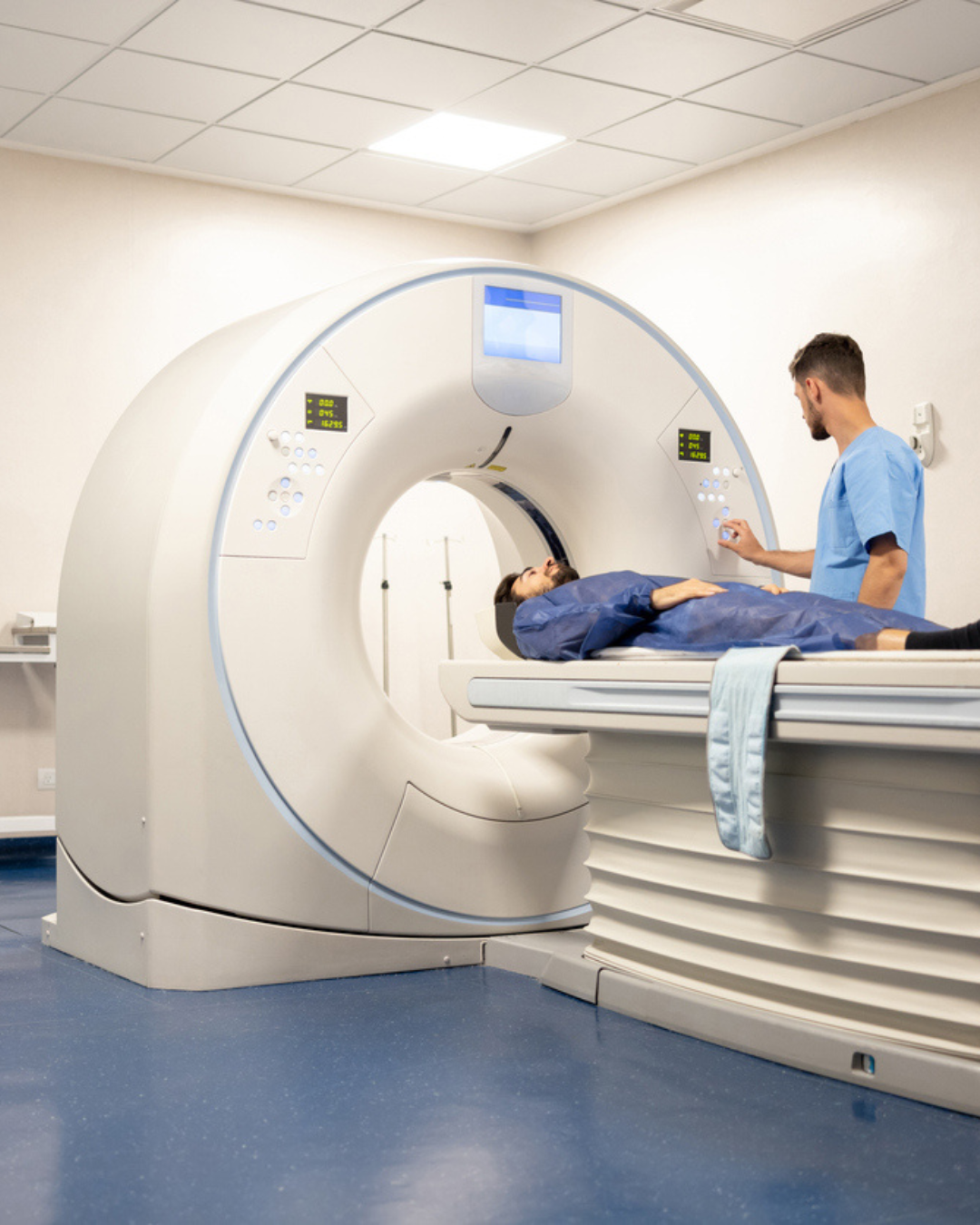
You attend a radiology clinic for a low-dose CT scan of the chest. The scan takes only a few minutes and uses a lower radiation dose than a standard diagnostic CT. Scans are interpreted by radiologists experienced in CT chest radiology. At I-MED Radiology, lung imaging is reviewed using established NLCSP reporting pathways to ensure appropriate follow-up.
Does a low-dose CT scan save lives?
Studies show that screening high-risk individuals with low-dose CT reduces lung cancer mortality by detecting cancer earlier, when treatment is more effective.
Where Can You Access Lung Cancer Screening?
Eligible patients can be referred by their GP to participating radiology providers. Many clinics across Australia, including I-MED Radiology locations, offer low-dose CT chest imaging in line with National Lung Cancer Screening Program protocols.
What happens if my scan shows something unusual?
If your scan shows something that needs further assessment, this will be clearly outlined in the report sent to your referring doctor. As part of the National Lung Cancer Screening Program (NLCSP), results are managed through structured clinical pathways to support appropriate follow-up. Your GP or nurse practitioner will explain the findings and, if required, may refer you to a respiratory physician or hospital for further evaluation.
Why choose I-MED for the National Lung Cancer Screening Program?
As a provider participating in the National Lung Cancer Screening Program, I-MED Radiology supports eligible patients with low-dose CT chest imaging in line with national screening protocols. Our radiologists are experienced in CT chest radiology and lung cancer screening reporting standards. After your low-dose CT scan, your images are carefully reviewed, and a detailed report is prepared for your referring doctor. Screening results are also recorded with the National Cancer Screening Register, as required under the program.
Is the scan safe and how long does it take?
The amount of radiation delivered as part of a low-does CT scan is significantly lower than that of a standard CT. The benefit of identifying lung cancer early far outweighs any radiation risk. The scan does not use intravenous contrast, and there is no need for needles or cannulas. The scan itself takes only 5 minutes, the entire process no longer than 15-20 minutes.